





Can Super Cruise help the 2026 Chevrolet Suburban tow with more confidence around Whitefish, MT?
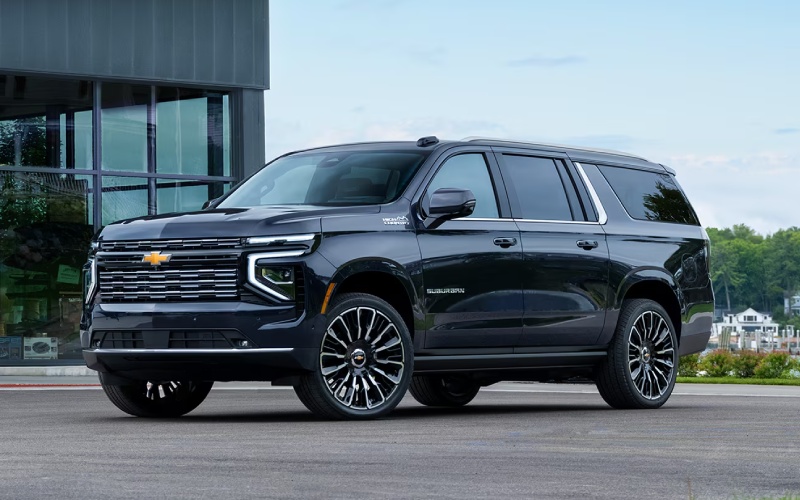
City Motor Company – Can Super Cruise help the 2026 Chevrolet Suburban tow with more confidence around Whitefish, MT?
For drivers who spend long miles on wide-open highways, available Super Cruise® can feel like the final piece that makes a big SUV truly relaxing. On the 2026 Chevrolet Suburban, Super Cruise adds hands-free capability on compatible roads and even supports towing, giving you a smoother, more composed experience while pulling a camper, boat, or utility trailer around Whitefish, MT and beyond.
This post unpacks how Super Cruise works on the Suburban, how it interacts with other systems like Adaptive Cruise Control and available HD Surround Vision, and why proper setup and route selection matter. By the end, you’ll know how to get the most out of it—and whether it matches your driving style and towing needs.
How Super Cruise adds value when you’re towing
When your route includes long, consistent stretches of divided highway, Super Cruise can help reduce the micro-corrections and constant vigilance that make long tows mentally tiring. It can assist with steering and speed while you remain attentive, helping you hold a steady line even as crosswinds shift or pavement crowns change. The system relies on a highly detailed map network of compatible roads, a driver attention system to ensure you stay engaged, and tight integration with the Suburban’s other driver assistance technologies to keep things smooth and predictable.
That integration is where a lot of the value lies. While towing, you want your tools to work as a team. The Suburban supports that with available up to 14 camera views that make it easier to line up your hitch, monitor surroundings, and confirm trailer position during lane changes and merges. Combined with the available class-leading 15-inch diagonal Head-Up Display, you can see essential information without looking down, which helps keep attention focused where it belongs—out the windshield.
What you should do before your first hands-free towing trip
Before you rely on hands-free capability with a trailer, set the stage for success. These practical steps make a difference in how calm and predictable the system feels on day one.
- Verify road compatibility: Check that your route includes compatible Super Cruise roads to maximize hands-free time behind the wheel.
- Set up profiles: Configure driver preferences on the 17.7-inch diagonal center touch-screen and confirm connectivity for quicker handoffs between systems.
- Practice cameras: Preview available camera views and confirm your preferred angles for hitching, merging, and checking blind spots.
- Distribute weight: Balance the trailer’s load correctly to promote steady tracking at highway speeds.
- Review alerts: Learn the driver attention prompts and status indicators so nothing surprises you at speed.
If you’re new to trailer setup, the Suburban’s available advanced trailering technology can simplify checks and reduce trial-and-error. And with Wireless Apple CarPlay® and Wireless Android Auto™ capability, you can keep your phone free for campground confirmations or logistics while still seeing your key apps on the big screen.
When to use Super Cruise—and when to switch it off
Super Cruise excels on long, consistent highway segments with clear lane markings and stable traffic flow. It’s especially helpful late in the day when your energy dips, or on multi-state stretches where the scenery changes more often than the traffic pattern. If you leave compatible roads or encounter complex junctions or construction zones, simply transition back to conventional driving as directed by the system. Remember, Super Cruise is an assistance feature, not a replacement for attentive driving—keep your focus forward and hands ready.
On rolling highways or in wind-prone corridors, many drivers feel less tension while towing with Super Cruise engaged. Pair that with the Suburban’s available Four-Corner Air Ride Adaptive Suspension and available Magnetic Ride Control, and you’ll notice more consistent composure from the vehicle-trailer combination as conditions change.
What about day-to-day benefits without a trailer?
Hands-free capability isn’t just for cross-country tow runs. Without a trailer, Super Cruise can still take the edge off long intercity stretches. Commuters or frequent travelers who regularly cover compatible highway routes benefit from the reduced mental load and the ability to keep shoulders relaxed during steady-state cruising. Add in the available Rear Camera Mirror for a wider rearward view when the cabin is full, and the Suburban becomes a remarkably serene way to cover distance.
It’s also worth mentioning how the rest of the technology supports everyday ease. The best-in-class 17.7-inch diagonal center touch-screen gives you a commanding view of maps and settings, while the 11-inch Driver Information Center brings vitals right into the instrument cluster. With standard Google built-in compatibility and Wireless Apple CarPlay® and Wireless Android Auto™, setup is quick and intuitive. That integration pays off just as much on weekday drives as it does on long road trips.
Is Super Cruise worth it for your lifestyle?
If you regularly travel on compatible highways—especially with a trailer—Super Cruise can be a smart investment in comfort and confidence. It shines when you cover long distances, value a calmer drive, and want technology that works quietly in the background to assist with the hard parts of highway miles. For drivers who mostly stick to short, mixed city routes, it may be less transformative but still valuable for weekend road trips and holiday travel.
Ultimately, the best test is a real test. Try a route that mirrors your typical travel and bring the family or gear you’d normally carry. See how the Suburban rides, how the technology fits your habits, and whether hands-free capability delivers the kind of calm you had in mind.
Frequently Asked Questions:
Can Super Cruise® be used anywhere I drive?
No. Super Cruise works on compatible roads that have been mapped for the system. Always review the Owner’s Manual for details and remain attentive while driving.
Does the Suburban’s camera system help when towing?
Yes. The Suburban offers up to 14 available camera views that can assist with hitching, monitoring traffic around the trailer, and navigating tight areas at low speeds.
What other features support towing comfort on the Suburban?
Available Four-Corner Air Ride Adaptive Suspension and available Magnetic Ride Control help stabilize the ride, while the available class-leading 15-inch diagonal Head-Up Display keeps key information in your line of sight.
How does the big touch-screen improve towing or long trips?
The best-in-class 17.7-inch diagonal center touch-screen presents larger maps and clearer camera views, making it easier to follow routes, confirm surroundings, and adjust settings without distraction.
When you’re ready to feel the difference hands-free capability can make, you can count on City Motor Company—serving Whitefish, Great Falls, and Helena—to help you set up a thorough test drive. Our team will walk you through setup tips, camera views, and suspension options so you can make an informed choice and head out with confidence.
Request more 2026 Chevrolet Suburban information
What can the 2026 Chevrolet Silverado 2500 HD In-Vehicle Trailering App do for Bozeman, MT hauls?
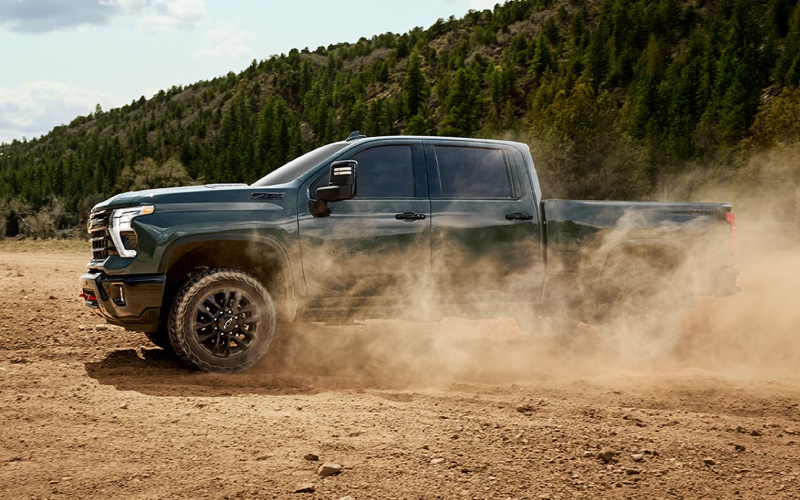
City Motor Company – What can the 2026 Chevrolet Silverado 2500 HD In-Vehicle Trailering App do for Bozeman, MT hauls?
When you tow frequently, the difference between a stressful hookup and a streamlined departure often comes down to your tools. The 2026 Chevrolet Silverado 2500 HD pairs serious hardware with software that keeps your routine predictable, starting with the built-in, on-screen help of the In-Vehicle Trailering App. If you’ve wondered how much this system can really do for your daily hauls around Bozeman, MT, here’s a clear, practical walkthrough.
At its core, the app lets you create a custom profile for each trailer you tow—bumper-pull, gooseneck, or fifth-wheel—so you can store specifics like tire pressure settings, light check sequences, and maintenance reminders. Once saved, each profile becomes your repeatable checklist and monitoring hub, helping new drivers tow more confidently and seasoned hands shave minutes off setup and departure.
Set up profiles once, then tow with repeatable confidence
Start by creating a new trailer profile on the Silverado HD’s available 13.4-inch diagonal touch-screen. You’ll name the trailer, identify the hitch type, and set preferences for alerts and reminders. This information syncs with the truck’s sensors and available camera views, so every time you hook up that trailer, the Silverado recognizes it and serves up the right tools automatically.
- Trailer profiles: Save multiple setups with hitch type, tire pressure settings, and lighting configurations for quick recall.
- Pre-departure checklists: Step-by-step prompts help you verify coupler pins, safety chains, breakaway cable, lights, and more.
- Light tests: Run a walk-around light test and watch visual confirmations on-screen while the truck cycles through signals.
- Maintenance logging: Track trailer service intervals, bearing checks, or brake adjustments right in the app.
For crews that swap trailers or families towing different campers, these individual profiles prevent guesswork. Once the setup is stored, the app pulls the right list every time that trailer connects, keeping your routine consistent.
Blend camera views with the app for a clearer picture
The Silverado HD’s available camera suite is a natural partner to the trailering app. Hitch View aligns your ball or pin perfectly, while Bed View helps position a fifth-wheel or gooseneck. Out on the highway, Transparent Trailer View can help you “see through” a compatible trailer, which is especially useful for lane changes and merging with traffic. Within the trailer profile, you can prioritize which views you want handy, minimizing taps when you’re focused on position and mirrors.
Pair these views with available trailering safety assists like Trailer Side Blind Zone Alert and HD Surround Vision, and you get more context before you commit to a maneuver. The result feels more like a practiced routine than a high-stress moment, whether you’re threading through city traffic or backing into a tight storage bay.
Why this matters for Bozeman-area towing
Between equipment hauls, livestock runs, and weekend campers, Bozeman-area drivers ask a lot from their trucks. The In-Vehicle Trailering App builds consistency into your workflow—your light test happens the same way every time, your hitch checks are never rushed, and your reminders trigger before an overdue service catches you by surprise. That predictability adds up to fewer delays and more confident miles.
If you share the truck with other drivers, those saved profiles are a quiet game-changer. Instead of text messages and sticky notes about “how we usually do it,” the instructions and specs live in the truck, ready to run the process the same way—every time.
Getting even more from the system
Connect your phone wirelessly through Apple CarPlay® or Android Auto™, then use Google built-in for voice-guided navigation that accounts for your route while your hands stay on the wheel. On longer trips, combine that clarity with OnStar® support for added peace of mind. And if you need to step up capability, the available Duramax® 6.6L Turbo-Diesel V8’s 975 lb.-ft. of torque and 10-speed automatic transmission provide surefooted power that pairs naturally with the trailering tech.
- Pro tip: Name your profiles clearly—“14K flatbed,” “8-horse gooseneck,” or “28-foot fifth-wheel”—to avoid mix-ups on busy mornings.
- Camera favorites: Set quick-access camera views within the trailer profile so the right angles appear with fewer taps.
- Seasonal checks: Use the maintenance log to plan brake inspections and tire replacements around your heaviest tow months.
Because the system keeps a record of usage and reminders, you’ll catch small issues—like uneven tire wear or a recurring light problem—before they become bigger headaches mid-trip. Think of the app as a digital foreman that never forgets the checklist.
Where the tech meets the hardware
Even the smartest software needs a capable platform. Silverado HD’s Durabed offers 83.5 cu. ft. of cargo volume with 12 standard tie-downs rated at 500 lbs. per corner, so your load is as secure as your hitch. The available Multi-Flex Tailgate helps you step up with gear or use a built-in work surface for paperwork at the site. If your towing takes you off the pavement, the ZR2’s Multimatic DSSV™ dampers, 1.5-inch lift, and 35-inch Goodyear Wrangler Territory® MT tires add composure and clearance when the ramp or path is less than perfect.
Put together, it’s a truck that backs up every software advantage with smart, usable hardware—from integrated BedSteps to powerful powertrains—so your tows feel intentional, not improvised.
Try the workflow yourself
Bring your trailer specs to a test drive and ask to walk through the In-Vehicle Trailering App, including profile setup and a light test. If a demo trailer is available, practice lining up with Hitch View and checking position with Bed View, then toggle to Transparent Trailer View on the road. The goal is simple: reduce the number of decisions you have to make under pressure by letting the truck surface the right tools at the right time.
When you’re ready for a hands-on demo, visit the Silverado HD specialists at City Motor Company, serving Bozeman, Whitefish, and Great Falls. Our team will help you tailor the tech and hardware to your specific trailers and routes so your towing days run smoother—right from the first hookup.
Frequently Asked Questions:
Can I save more than one trailer profile?
Yes. You can store multiple trailer profiles in the In-Vehicle Trailering App. Each profile includes hitch type, light test routines, tire pressure targets, and maintenance reminders so you can switch between trailers without re-entering details.
Does Transparent Trailer View work with fifth-wheel and gooseneck setups?
It can. With a compatible trailer and proper configuration, Transparent Trailer View can help you “see through” a fifth-wheel or gooseneck, improving lane-change and merge confidence.
What if I share the truck with another driver?
Saved profiles are ideal for shared use. Each driver can select the correct trailer profile, then follow the same guided checklists and light tests to keep the process consistent and safe.
Do I need the diesel to benefit from the app?
No. The In-Vehicle Trailering App benefits gas and diesel models alike. Choose the available Duramax® 6.6L Turbo-Diesel V8 if you plan to tow heavier, more frequently, or across long grades; otherwise, the 6.6L V8 gas engine remains a strong everyday partner.
Request more 2026 Chevrolet Silverado 2500 HD information
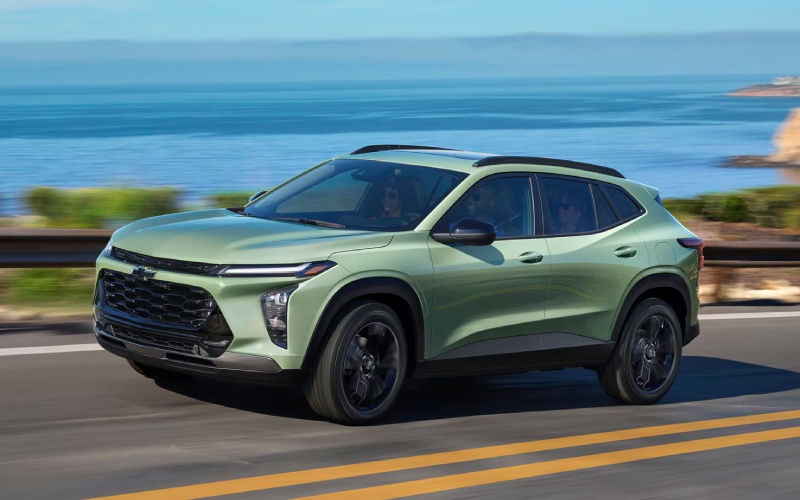
City Motor Company – Is Chevy Safety Assist standard on the 2026 Chevrolet Trax for Whitefish, MT driving?
Safety tech is only helpful if it’s built in and easy to use, and that’s a key reason so many shoppers ask about the 2026 Chevrolet Trax. Chevy Safety Assist is standard on every Trax, which means core features like Automatic Emergency Braking, Forward Collision Alert, Front Pedestrian Braking, Lane Keep Assist with Lane Departure Warning, Following Distance Indicator, and IntelliBeam High Beam Assist are on board from day one. For daily driving around Whitefish, MT—where you’ll mix town streets, undivided highways, and scenic routes—this baseline coverage helps add a layer of confidence without making you feel like you need an owner’s manual to get started.
It also matters how naturally the technology fits into the driving routine. Trax is straightforward to set up, and the alert cues are clear without being overwhelming. Many drivers will appreciate that the systems are designed to assist, not replace responsible driving. The result is a small SUV that’s easy to learn, friendly to live with, and surprisingly comprehensive in the safety department at its size and price point.
What Chevy Safety Assist includes on every 2026 Trax
Let’s break down how each technology supports you throughout a typical week, from quick errands to longer drives to Kalispell, MT or Bozeman, MT.
- Automatic Emergency Braking and Forward Collision Alert help you respond to unexpected slowdowns
- Front Pedestrian Braking adds support in populated areas and parking lots
- Lane Keep Assist with Lane Departure Warning encourages smooth, consistent positioning
- Following Distance Indicator gives a visual cue to help maintain space in traffic
- IntelliBeam High Beam Assist automatically manages high and low beams for visibility
Because these are standard, there’s no second-guessing whether the essentials are covered. You can fine-tune alert sensitivity and how the cues present, but the core systems are ready the moment you set off.
Beyond the basics: available driver assistance and everyday tech
If you want to round out the safety and convenience package, Trax also pairs nicely with available technology that streamlines daily life. The available 11-inch center HD touch-screen provides quick access to apps and vehicle settings, while standard wireless Apple CarPlay and wireless Android Auto compatibility reduce cable clutter. Add available wireless charging and a built-in Wi-Fi hotspot, and the cabin turns into a road-ready command center for navigation, music, and seamless passenger connectivity.
These elements play well with Chevy Safety Assist by keeping your focus on the road. You get your maps, calls, and media in familiar layouts without digging through complicated menus, and the larger display makes it easy to confirm information with a glance. For longer weekend drives toward Glacier-area trailheads, that combination of awareness and simplicity just makes sense.
Trim insights: RS and ACTIV
While Chevy Safety Assist is standard across the lineup, RS and ACTIV give you aesthetic and cabin personality to match the way you like to roll. RS dials up the sporty look with a flat-bottom steering wheel, Red interior accents, a unique grille, and bold Black exterior details. ACTIV leans adventurous with blackout wheels, Titanium chrome exterior accents, and unique interior touches. Both trims can be paired with the available 11-inch center HD touch-screen and other convenience upgrades, so you can have the safety you want and the style you love.
Set up your Trax safety tech in a few minutes
It takes just a short stop in the settings menu to confirm everything is configured to your liking. Here’s a quick process that keeps it simple:
- Adjust alert timing and feedback to match your comfort level
- Confirm IntelliBeam settings for automatic headlight control
- Pair your phone wirelessly so maps and calls work hands-free
- Explore the instrument cluster to see what info you want displayed
- Take a short drive around familiar streets to see the cues in action
Once you dial things in, the systems tend to fade into the background and step forward only when you need them—precisely the kind of tech experience most people prefer.
How this helps in and around Whitefish, MT
Whitefish driving blends neighborhood streets, local businesses, and curvy stretches that reward an attentive, unhurried approach. Chevy Safety Assist complements that style. Automatic Emergency Braking and Forward Collision Alert help with sudden stops near town centers. Lane Keep Assist provides gentle guidance on longer, undivided routes, while IntelliBeam ensures your headlights adapt quickly as lighting changes. It’s a no-fuss toolkit that has your back without complicating your day.
And when you want more visibility right where you look, the available 8-inch diagonal color Driver Information Center can surface audio and navigation details in the cluster. Pair that with the available 11-inch center HD touch-screen and your preferred smartphone platform, and your entire interface becomes consistent and easy to read, whether you’re heading south toward Flathead Valley destinations or meeting friends closer to home.
Who should consider the 2026 Trax for safety tech?
If you value safety systems that are standard, predictable, and tuned for everyday use, the Trax deserves a test drive. Commuters, new drivers, and anyone who appreciates extra awareness will find real value in the way Chevy Safety Assist is implemented. It’s thoughtful rather than intrusive, with clear prompts and logical controls.
When you’re ready to explore trims and build the right mix of tech and style, City Motor Company can walk you through the options, from RS to ACTIV and beyond. Our team is serving Kalispell, Bozeman, and Whitefish with straightforward guidance and a friendly, low-pressure experience.
Frequently Asked Questions:
Can I turn individual safety features on or off?
Yes. You can adjust individual settings, including alert timing and feedback, through the vehicle’s menus so the system behavior matches your preferences.
Does the 2026 Trax include high-beam automation?
IntelliBeam High Beam Assist is included with Chevy Safety Assist, automatically switching between high and low beams to help optimize visibility.
Are Apple CarPlay and Android Auto wireless on the Trax?
Yes. Wireless Apple CarPlay and wireless Android Auto compatibility are standard, allowing you to connect without a cable.
Is the larger touch-screen available across multiple trims?
Yes. The available 11-inch center HD touch-screen can be equipped on select trims, pairing nicely with the standard wireless smartphone integration and available wireless charging.
With standard Chevy Safety Assist and user-friendly tech, the 2026 Chevrolet Trax gives Whitefish drivers a confident foundation. It’s one of the reasons this small SUV feels big where it counts—awareness, convenience, and day-to-day peace of mind.
Request more 2026 Chevrolet Trax information
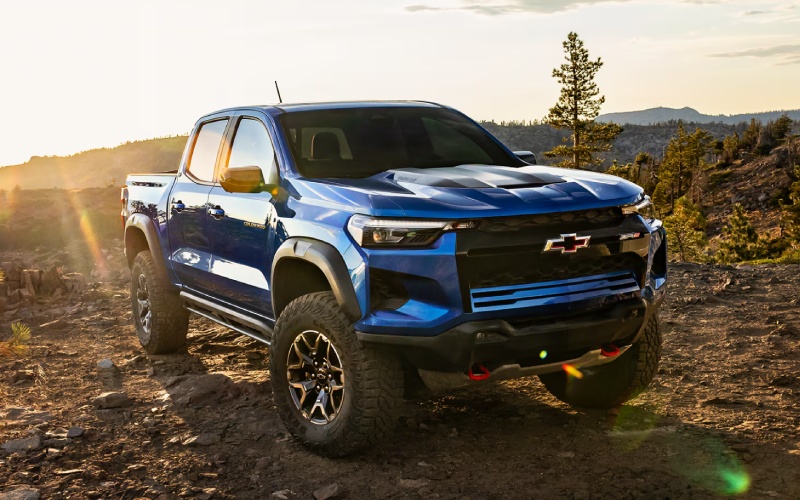
City Motor Company – Chevrolet vs Toyota for Work, Family, and Weekend Driving in Great Falls, MT
Shopping for a vehicle in Great Falls often means thinking beyond the daily commute. A good fit has to handle 10th Avenue South traffic, trips to Malmstrom Air Force Base, gravel roads outside town, family drives to Helena or Havre, and weekend hauling near the Missouri River or Highwood Mountains. That is why many local shoppers compare Chevrolet and Toyota. Both brands are respected, widely known, and offer dependable choices across SUVs and trucks. The difference comes down to how each brand supports real Montana ownership – especially when one vehicle may need to serve work, family, travel, and recreation.
Toyota has built a strong reputation for long-term reliability and straightforward ownership. Models like RAV4, Highlander, Tacoma, Tundra, 4Runner, and Sequoia are common considerations for shoppers who value proven engineering and brand familiarity. Chevrolet, however, stands out for its broader range of vehicles built around American truck capability, family SUV comfort, advanced trailering technology, and strong local support through City Motor Company in Great Falls. For drivers who want one brand that can cover compact commuting, three-row family space, heavy-duty towing, and full-service ownership close to home, Chevrolet makes a very compelling case.
How Chevrolet and Toyota Fit Real Great Falls Driving
Great Falls drivers ask a lot from a vehicle. One week may include school drop-offs, grocery runs, and appointments around town. The next may involve hauling supplies, towing a camper, visiting family in Fort Benton, or heading toward the mountains with outdoor gear. Toyota offers a solid selection for many of these needs, particularly with efficient crossovers and capable midsize trucks. Chevrolet answers with a lineup that feels especially well matched to Montana versatility, from easy-to-drive SUVs like Trax and Equinox to hardworking pickups like Colorado, Silverado 1500, and Silverado HD.
Where Chevrolet pulls ahead is in lineup depth. Toyota covers many popular segments, but Chevrolet gives shoppers more ways to match a vehicle to a specific lifestyle. A first-time SUV shopper may appreciate the value-minded practicality of Chevrolet Trax. A growing family can step into Traverse, Tahoe, or Suburban depending on passenger and cargo needs. A contractor, ranch owner, or frequent trailer user can choose from Colorado, Silverado 1500, Silverado 2500 HD, or Silverado 3500 HD. Toyota offers Tacoma and Tundra, but Toyota does not offer a heavy-duty pickup equivalent to Silverado HD, which matters for shoppers who tow bigger loads or need commercial-grade capability.
Trucks: Chevrolet Offers More Towing and Work-Ready Range
For many in-market shoppers around Great Falls, the truck comparison is where Chevrolet becomes especially strong. Toyota Tacoma is a well-known midsize pickup, and Tundra gives Toyota a full-size truck option. Both can be smart choices depending on the driver. Chevrolet, though, gives truck shoppers more steps on the ladder. Colorado is a capable midsize truck for daily use and off-road recreation, Silverado 1500 brings full-size strength with a wide range of configurations, and Silverado HD takes towing and payload confidence to a higher level for demanding jobs.
Chevrolet also puts a major emphasis on trailering technology. Depending on the model and configuration, available Chevrolet trailering features can include integrated trailer brake controls, multiple camera views, trailer profiles, and in-vehicle trailering tools designed to simplify setup and improve confidence. Toyota offers useful towing features as well, but Chevrolet has long treated towing as a core part of the ownership experience across the truck lineup. For drivers towing equipment, livestock trailers, boats, campers, or utility trailers around central Montana, that focus is easy to appreciate.
- Chevrolet truck advantage: A wider range of truck choices, including midsize, full-size, and heavy-duty pickups.
- Toyota truck strength: Tacoma and Tundra have loyal followings and strong reputations for durability.
- Great Falls ownership factor: Chevrolet gives local shoppers more flexibility if towing needs may grow over time.
- Dealer support: City Motor Company provides Chevrolet Certified Service, GM Genuine Parts, ACDelco Parts, and a local parts department.
That last point matters. A truck is not just about the test drive. It is about having service support, maintenance access, and knowledgeable people nearby when the odometer climbs or work demands increase. At City Motor Company, we have served Great Falls since 1954, and our Chevrolet Certified Service experts understand the needs of local truck owners.
SUVs: Family Space, Cargo Flexibility, and Everyday Comfort
Toyota is a strong SUV competitor. RAV4, Highlander, Grand Highlander, 4Runner, and Sequoia appeal to shoppers who want proven utility and brand familiarity. Chevrolet counters with one of the most complete SUV families in the market. Trax and Trailblazer are easy to maneuver around town. Equinox gives compact SUV shoppers a comfortable, versatile choice. Traverse brings three-row space for busy families. Tahoe and Suburban offer full-size SUV capability with serious passenger and cargo room, plus the strength many Montana families want for road trips and towing.
For a family in Great Falls, that range can make the shopping process easier. Not every household needs a full-size SUV, but some families absolutely benefit from the space of Tahoe or Suburban. Others may want the balance of Traverse for daily driving, sports gear, luggage, and road trips. Chevrolet gives shoppers room to grow within the same brand, while also offering familiar infotainment, available safety technologies, and a wide service network. Toyota SUVs are excellent options, but Chevrolet offers a particularly strong blend of family comfort and truck-based capability at the larger end of the SUV lineup.
Safety and driver-assistance technology will also be part of the conversation. Many current Chevrolet models include or offer helpful features such as Chevy Safety Assist, which may include systems like Automatic Emergency Braking, Front Pedestrian Braking, Lane Keep Assist with Lane Departure Warning, Forward Collision Alert, Following Distance Indicator, and IntelliBeam automatic high beams, depending on model and trim. Toyota Safety Sense is also widely available and well regarded. The key difference is not that one brand cares about safety and the other does not – both do. Chevrolet simply combines those everyday confidence features with a broad mix of SUVs and trucks that feel especially relevant to Montana households.
Technology, Comfort, and the Ownership Experience
Modern shoppers often compare technology just as closely as engines or cargo space. Toyota interiors tend to be functional, practical, and familiar. Chevrolet has made major strides in cabin technology, screen design, connectivity, and driver-focused layouts across its newer vehicles. From compact SUVs to Silverado trucks, Chevrolet cabins often feel designed around daily usability: clear displays, useful storage, available camera systems, and controls that make sense when you are switching between commuting, hauling, and family travel.
Ownership support is another area where City Motor Company can make a difference for Chevrolet shoppers in Great Falls. We offer upfront pricing, a relaxed and pressure-free environment, non-commissioned product specialists, real cash value for trades, and dependable service from factory-trained technicians. Our location at 3900 10th Ave S makes it convenient for drivers from Great Falls, Fort Benton, Havre, Helena, Butte, Bozeman, and surrounding Montana communities. Toyota has a strong national reputation, but choosing Chevrolet from a locally owned dealership gives you a team rooted in the same roads, distances, and driving demands you face.
- For daily commuting: Chevrolet Trax, Trailblazer, and Equinox offer practical size, comfort, and efficiency-focused drivability.
- For growing families: Chevrolet Traverse, Tahoe, and Suburban provide multiple paths to more passenger and cargo space.
- For towing and work: Chevrolet Colorado, Silverado 1500, and Silverado HD cover a wider capability range than Toyota trucks.
- For local service confidence: City Motor Company supports Chevrolet owners with Certified Service, parts, maintenance, and collision support.
Which Brand Is the Better Fit for You?
If your top priority is a simple, familiar vehicle with a strong reliability reputation, Toyota deserves a spot on your research list. Many Toyota vehicles have earned loyal followings for good reasons. But if you want a brand that can more easily cover the full range of Great Falls ownership – compact SUV convenience, family-ready three-row space, full-size SUV strength, advanced truck towing, and heavy-duty pickup capability – Chevrolet is the stronger overall match.
Chevrolet also gives you more room to tailor the vehicle to your real life. A shopper who starts with an Equinox may later move into a Traverse as family needs change. A driver using a Colorado for weekend projects may eventually need Silverado 1500 or Silverado HD for larger trailers. That kind of progression is one of Chevrolet’s biggest advantages. Instead of fitting your life into a narrow set of choices, Chevrolet gives you a lineup that can adapt as work, family, and recreation needs evolve.
At City Motor Company, we are here to help you compare thoughtfully, not rush the decision. Our team can walk you through Chevrolet SUVs and trucks, discuss trade options, schedule a test drive, and help you explore financing with a process designed to be straightforward. For shoppers weighing Chevrolet vs Toyota in Great Falls, MT, the best next step is to drive the Chevrolet models that match your daily routine and see how naturally the lineup fits central Montana life.
Frequently Asked Questions:
Is Chevrolet or Toyota better for towing around Great Falls, MT?
For shoppers focused on towing, Chevrolet has the advantage in overall lineup depth. Toyota offers capable Tacoma and Tundra options, but Chevrolet adds Colorado, Silverado 1500, Silverado 2500 HD, and Silverado 3500 HD, giving drivers more choices for different trailer sizes and work demands.
Which brand offers better SUV choices for families?
Both brands offer strong family SUVs, but Chevrolet provides a broader range from compact to full-size. Traverse, Tahoe, and Suburban are especially appealing for families who need generous passenger room, cargo flexibility, and available towing capability.
Is Toyota still a good brand to compare against Chevrolet?
Yes. Toyota is a relevant competitor because of its reputation for reliability and popular SUV and truck options. Many shoppers compare both brands before buying. Chevrolet stands out for Great Falls drivers who want more truck choices, larger SUV options, and local dealership support through City Motor Company.
Why buy a Chevrolet from City Motor Company?
City Motor Company has served Great Falls since 1954. We offer upfront pricing, non-commissioned product specialists, real cash value for trades, Chevrolet Certified Service, GM Genuine Parts, ACDelco Parts, and a full-service ownership experience designed around local Montana drivers.
Request more information
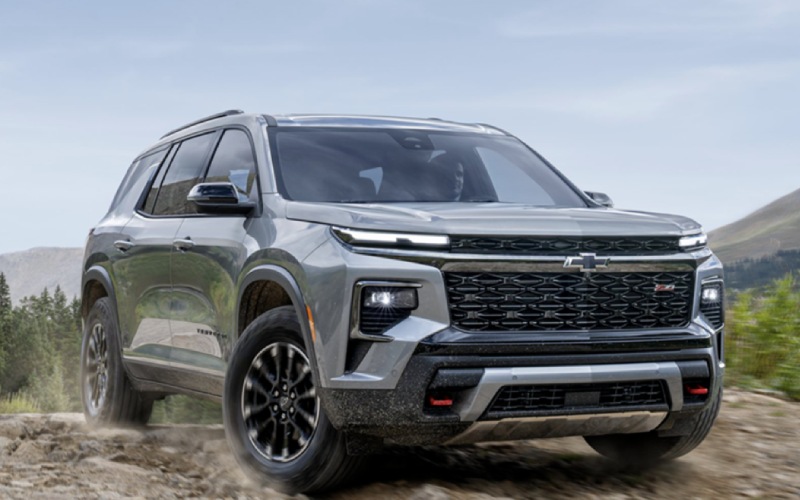
City Motor Company – Is Super Cruise on the 2026 Chevrolet Traverse a smart pick for Kalispell, MT driving?
Hands-free capability can change how a long highway stint feels, and the 2026 Chevrolet Traverse brings that promise to life with available Super Cruise®. For drivers who split time between errands, family road trips, and weekend getaways around Kalispell, MT, the question is simple: does this technology fit everyday life and regional routes?
Let’s explore how Super Cruise® works on the Traverse, which trims bundle it most seamlessly, and how it complements the three-row SUV’s space, comfort, and standard tech. Along the way, we will cover compatible-road coverage, practical benefits on familiar corridors, and how to prepare for a meaningful test drive that includes hands-free miles.
What Super Cruise® brings to the Traverse
Super Cruise® is a hands-free driver assistance technology for compatible roads across the U.S. and Canada. The system blends precisely mapped road data with in-vehicle cameras and sensors to help you keep a steady path and speed while you remain attentive. On the Traverse, Super Cruise® slots naturally alongside a standard 17.7-inch diagonal touch-screen and an 11-inch diagonal Driver Information Center, so alerts and status cues feel clear and intuitive.
When selected, you’ll get Super Cruise®, plus Digital Services by OnStar®, which includes an in-vehicle Wi-Fi Hotspot, in-vehicle apps, and Safety Services. RS and High Country include a 3-year OnStar One Super Cruise® plan, making those trims especially convenient if hands-free capability sits high on your wish list.
How it fits Kalispell-area routes
Daily life in this corner of Montana can include varied drives—short city hops, rural highways, and scenic routes toward Flathead Lake or Glacier National Park gateways. Super Cruise® is designed for compatible roads, and when you’re on one of those mapped highways, it can help reduce the fatigue of longer stretches while maintaining driver attentiveness through its monitoring system. Picture a calm cruise to visit friends or family several hours away, with the system assisting along compatible segments to help you arrive feeling fresher.
Because Super Cruise® updates compatible-road coverage over time, your experience can improve as the network expands. It’s a smart pairing for households that regularly log highway miles, especially when combined with the Traverse’s quiet cabin and confident turbocharged 2.5L engine.
Trim choices and package planning
On the 2026 Traverse, Super Cruise® availability is straightforward. RS and High Country include a 3-year OnStar One Super Cruise® plan, so you can enjoy hands-free capability on compatible roads without added guesswork. If you prefer a more rugged configuration, the Z71’s Advanced Twin-Clutch AWD System, Terrain Mode, Hill Descent Control, and off-road suspension focus on traction and control when the pavement ends, while still allowing you to add technology that suits your driving style.
Regardless of trim, the standard 17.7-inch diagonal touch-screen and 11-inch diagonal Driver Information Center ensure a consistent, modern interface, with Google built-in to streamline voice assistance, navigation, and apps.
Everyday benefits beyond hands-free miles
Even when you are not using Super Cruise®, the Traverse is equipped to simplify your day. Best-in-class max cargo volume of 98 cu. ft. comes in handy for bulky errands, and Smart Slide Seats make third-row access easier when the whole crew is coming along. The AutoSense Power Liftgate is a small luxury with big impact—especially with arms full of groceries or sports gear.
Pair these practicalities with available HD Surround Vision for parking confidence and you get an SUV that feels just as helpful in a packed downtown lot as it does cruising toward a weekend cabin.
To get the most from your research time, plan a test drive that includes a compatible highway segment. Confirm how Super Cruise® engages, watch the attention prompts, and see how naturally the status indicators appear in the Driver Information Center. Then, on surface streets, explore the Traverse’s steering, brake feel, and ride quality. A complete loop helps you feel the handoff from hands-free highways to everyday driving.
Quick pointers for shoppers mapping a decision
- Clarify your highway mileage pattern
- Decide whether RS or High Country better matches your style
- Confirm compatible-road segments you use frequently
- Test camera views and menus before and after hands-free driving
- Bring the family to assess seating and cargo flexibility
Because technology is only half the story, remember to assess comfort and visibility with your real passengers and real gear. Fold the third row, try Smart Slide Seats, and load items you carry each week.
If hands-free capability sounds like a fit for Kalispell-area driving—and your road trips beyond—Super Cruise® on the 2026 Traverse is a compelling match. It pairs seamlessly with the SUV’s quiet ride, spacious interior, and robust turbocharged performance to turn longer journeys into smoother, more confident miles.
For tailored guidance, City Motor Company is serving Fort Benton, Kalispell, and Bozeman with knowledgeable product specialists ready to map features to your routes, demonstrate compatible-road functionality, and help you select the right trim and options package for your life.
Request more 2026 Chevrolet Traverse information
Which cab and bed configuration on a 2026 Chevrolet Silverado 1500 works best for Kalispell, MT driving?
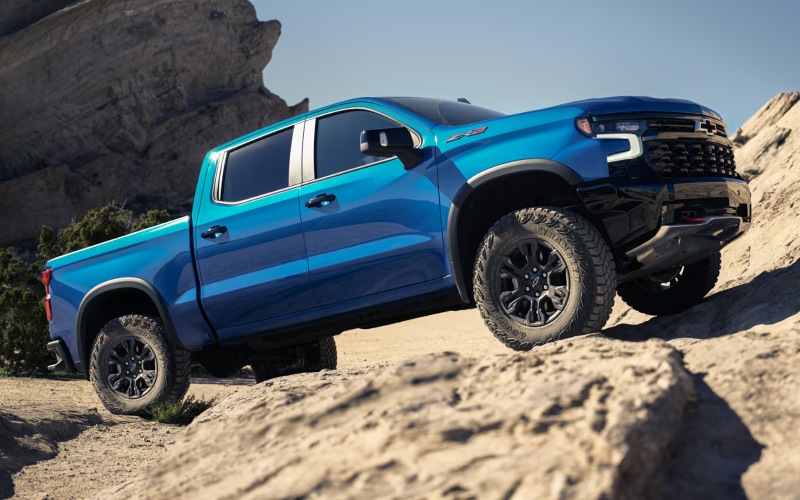
City Motor Company – Which cab and bed configuration on a 2026 Chevrolet Silverado 1500 works best for Kalispell, MT driving?
Choosing the right cab and bed combination on a 2026 Chevrolet Silverado 1500 shapes everything from daily parking and garage fitment to trailering manners and cargo flexibility around Kalispell, MT. The good news is you have three cab choices — Regular Cab, Double Cab, and Crew Cab — and Silverado backs them with a bed built for serious use.
Below, we’ll guide you through practical differences and help you match your configuration to real-world driving. We’ll also highlight technology and comfort features that make the cabin feel like your home base on busy days.
Start With People And Gear
The first question to answer is simple: who and what do you carry most often? If you’re bringing family or a full crew regularly, the Crew Cab’s generous passenger space pays dividends. Chevrolet publishes standout dimensions like 43.0 inches of front head room, 44.5 inches of front leg room, and 66.0 inches of front shoulder room, and the Crew Cab adds the rear-seat room adults appreciate on longer trips along U.S. 93 or when you’re stuck in traffic near town. If you carry passengers occasionally, the Double Cab strikes a middle ground — more back-seat space than a two-door but a smaller footprint than a Crew Cab. Regular Cab focuses on maximum bed length and maneuverability for solo owners who prioritize work and parking simplicity.
From there, factor in the type of cargo you load most. Silverado’s Durabed is the constant across choices, and it’s a strength you’ll notice from day one: roll-formed high-strength steel construction, best-in-class standard cargo bed volume, and 12 standard tie-downs rated at 500 lbs. per corner. If your week includes a run to the lumber yard or a pallet delivery, Durabed makes strapping down secure and repeatable — no guesswork on tie-down placement, just practical anchor points where you need them.
How The Bed And Tailgate Expand Your Options
Silverado’s available Multi-Flex Tailgate is a difference-maker whether you choose a Double Cab or Crew Cab. Six configurations help you load long items with the primary gate load stop, reach deeper into the bed with the inner gate, or step up using the full-width step rated up to 375 lbs. For many owners in the Flathead Valley, that step alone turns a tough climb into a single, stable motion when you’re grabbing totes, coolers, or tool bags. Prefer a mobile desk for checklists or tablet work? The inner gate with work surface turns the tailgate into a practical productivity space at a trailhead or job site.
Don’t overlook the available 120-volt outlet and power-up/-down tailgate either. They’re small conveniences that add up during home projects or when you’re running power tools away from the garage. If you often load solo, these conveniences deliver tangible time savings across a full year of errands and weekend projects.
Maneuverability Versus Maximum Space
A Crew Cab with a shorter bed gives you the best passenger experience without stretching overall length too far. That can be a sweet spot if you frequent downtown lots or tighter driveways around Kalispell, MT. If your life revolves around longer cargo and you don’t need regular back-seat capacity, a Regular Cab with a long bed keeps overall weight down and maximizes rail-to-rail utility. Double Cab again lives between those extremes, working well for owners who want occasional rear-seat flexibility and a bed that still handles larger items with those 12 standard tie-downs.
Across all configurations, the truck’s available camera technology helps, too. Up to 14 available camera views can ease tight-lot maneuvering, give you a top-down look at surroundings, and take the edge off when backing near obstacles. For anyone commuting through busier corridors or squeezing into trailhead parking on weekends, those camera angles are worth their weight in scuffed-bumper avoidance.
Cabin Tech That Scales With Your Needs
Inside, the 2026 Silverado 1500 impresses regardless of cab choice. You can equip an available 13.4-inch diagonal touch-screen display and a 12.3-inch diagonal reconfigurable Driver Information Center for a clean, modern interface that’s easy to read at a glance. Wireless Apple CarPlay® and Android Auto™ compatibility minimize cord clutter, while Wi-Fi® hotspot capability keeps connected devices online for passengers on long drives. With available Google built-in, Google Assistant can place calls, set reminders, and adjust climate, and Google Maps helps you navigate new backroads around Flathead Lake with confidence.
If you spend long stretches in the driver’s seat, consider packages that add comfort and visibility tech — like available HD Surround Vision — to reduce fatigue during a full day of errands, job stops, and family drop-offs.
Engine Pairings For Your Configuration
Whichever cab you choose, Silverado’s powertrains fit a wide range of jobs. The TurboMax™ engine delivers best-in-class standard torque — a great match for daily driving with frequent loading and light towing. If you value traditional V8 character, the 5.3L EcoTec®3 V8 balances power and efficiency well. Need more punch for steeper grades and heavier loads? The 6.2L EcoTec3 V8 pairs with a 10-speed transmission for confident acceleration and refined towing manners. For long highway routes and weekend trips, the Duramax® 3.0L Turbo-Diesel stands out for its highway composure and robust 495 lb.-ft. of torque.
With any configuration, these engines help you tailor how the truck feels and performs, whether you’re navigating neighborhoods, cruising to the slopes, or heading out for an extended camping weekend.
Safety And Driver Assistance Across The Board
Every Silverado comes with standard Chevy Safety Assist. For added confidence in tight spaces or while towing, available HD Surround Vision and Trailer Side Blind Zone Alert provide helpful viewpoints and alerts. If you log serious highway miles, available Super Cruise® on High Country offers hands-free driver assistance on compatible roads, and yes — it works while towing when properly equipped. It’s technology that enhances your chosen configuration rather than overshadowing it.
To summarize the fit question, match cab to people and parking, bed to the cargo you carry most, and powertrain to how and where you drive. From there, layer on the bed and cabin technologies that make your routine smoother.
Quick Configuration Pointers
- Crew Cab focus: Best for frequent passengers and long drives; pair with available cameras for easier parking.
- Double Cab balance: Solid rear-seat space with a tidier footprint; great for mixed family and work use.
- Regular Cab purpose: Maximum bed utility and maneuverability; ideal if you rarely need back seats.
- Durabed advantage: Best-in-class standard cargo bed volume and 12 standard tie-downs support consistent, secure loading.
- Tailgate flexibility: Available Multi-Flex Tailgate’s six configurations streamline access, loading, and on-site work.
If you’d like personal guidance, our team at City Motor Company is happy to walk you through side-by-side trucks and help you evaluate turning radius, back-seat comfort, and bed access with your actual gear. We offer a relaxed, informative experience serving Lewistown, Fort Benton, and Kalispell, so you can compare options efficiently and feel great about your decision.
Frequently Asked Questions:
Will a Crew Cab make parking too difficult downtown?
A Crew Cab is the most spacious option, but Silverado’s available up to 14 camera views and responsive steering help you navigate tight lots. If city parking is your daily norm, pairing a Crew Cab with those visibility tools is a smart solution.
Which configuration is best for towing stability?
Stability comes from proper weight distribution and a well-matched truck-trailer pairing. Many owners prefer the balanced footprint of a Crew Cab with a shorter bed, plus Silverado’s trailering technologies and In-Vehicle Trailering App for confident setup, monitoring, and backing.
Is the Multi-Flex Tailgate durable for everyday jobsite use?
Yes. It’s designed for repeated use with six practical configurations, including a full-width step rated up to 375 lbs. Combine it with Durabed’s high-strength steel and 12 standard tie-downs, and you have a cohesive, work-ready system.
Do engine choices change based on cab or bed?
Powertrains are offered across multiple trims and configurations. We’ll help you select the engine that matches your towing and driving style regardless of cab choice, from the TurboMax™ to the 6.2L EcoTec3 V8 or Duramax® 3.0L Turbo-Diesel.
Request more 2026 Chevrolet Silverado 1500 information
Is a 2026 Chevrolet Silverado 1500 a smart match for a two-horse trailer near Helena, MT?
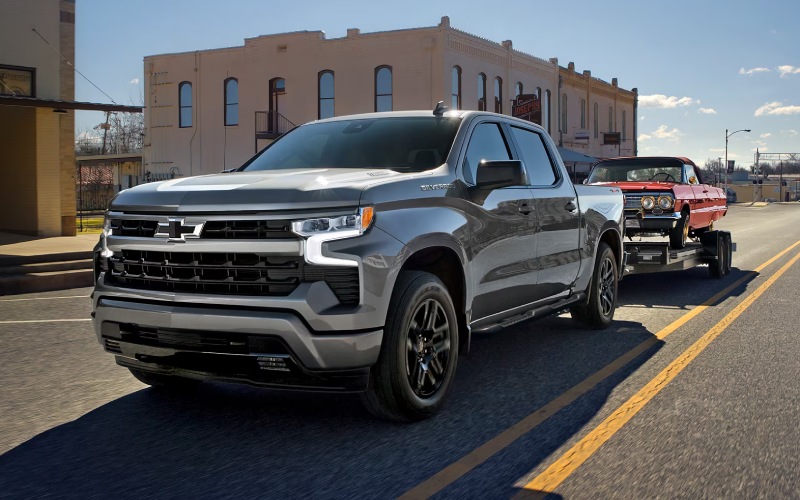
City Motor Company – Is a 2026 Chevrolet Silverado 1500 a smart match for a two-horse trailer near Helena, MT?
For many shoppers visiting us from Helena, MT, a 2026 Chevrolet Silverado 1500 is more than a daily driver — it is a dependable partner for hauling to trailheads, the Lewis and Clark County fairgrounds, veterinary visits, and weekend rides out toward Canyon Ferry. If you are wondering whether a half-ton Silverado 1500 is the right tool for towing a typical two-horse bumper-pull, the short answer is that it can be an excellent fit when you match the trailer and payload to the right engine, axle configuration, and trailering technology. Below, we break down real-world considerations based on how trucks are used around Helena and how the 2026 Silverado 1500 is engineered to help.
Understanding a two-horse trailer’s real-world weight
Before picking a truck-and-trailer pairing, it helps to translate specs into what you will actually pull on I-15 or up toward MacDonald Pass. Most steel or aluminum two-horse bumper-pull trailers weigh roughly 3,000 to 4,000 pounds empty, and a realistic loaded weight with two horses, tack, water, and hay often lands between about 5,000 and 8,000 pounds. Tongue weight on a bumper-pull commonly runs 10 to 15 percent of the loaded trailer, which means the weight pressing on your hitch can be 500 to 1,200 pounds — an important figure for your truck’s payload.
That is why our first recommendation for Helena-area shoppers is to think in two numbers: the loaded trailer weight you actually expect to pull and the tongue weight that will count against your Silverado 1500’s payload rating along with people and gear in the cab and bed. Once you know those, matching a 2026 Silverado 1500 becomes straightforward.
How the 2026 Silverado 1500 is built to handle horse-trailer duty
The 2026 Silverado 1500 offers up to 13,300 pounds of available towing capability when properly equipped, with four distinct powertrains that let you prioritize torque, grade performance, or day-to-day efficiency. Here is how to think about the lineup for a two-horse trailer used around Helena’s varied terrain and elevations.
- TurboMax™ engine: Standard on WT, Custom, Custom Trail Boss, LT, RST and LT Trail Boss, TurboMax™ delivers best-in-class 430 lb.-ft. of standard torque and an 8-speed automatic — a confident, efficient match for many two-horse bumper-pulls in the 5,000 to 7,000-pound loaded range.
- 5.3L EcoTec®3 V8: Standard on LTZ and High Country and available on several other trims, the 5.3L EcoTec®3 V8 pairs 355 horsepower and 383 lb.-ft. of torque with a 10-speed automatic, adding reserve for longer grades and frequent towing days.
- 6.2L EcoTec3 V8: Available on select 4×4 trims, the 6.2L EcoTec3 V8 brings 420 horsepower and 460 lb.-ft. of torque plus a 10-speed automatic, ideal if you prefer abundant power on steeper climbs or plan to load heavy consistently.
- Duramax® 3.0L Turbo-Diesel: Standard on ZR2 and available on popular trims, the Duramax® 3.0L Turbo-Diesel offers 305 horsepower and 495 lb.-ft. of torque, best-in-class highway fuel economy up to 28 MPG, and available towing up to 13,300 pounds when properly equipped — a compelling choice for steady low-RPM torque and longer trips between Helena and Great Falls.
Across those choices, the Silverado 1500’s chassis, steering, and braking work together with available trailering equipment to maintain stability when a live load moves in the trailer. The available Trailering Package and factory-integrated features make hookup and on-road control more predictable — especially helpful when maneuvering at the fairgrounds or backing down a launch area by Hauser Lake where space can be tight.
Trailering tech that eases life with horses around Helena
Confidence matters most when horses are on board. The 2026 Silverado 1500 offers smart technologies that reduce guesswork from connection to highway cruising, so you can focus on your animals and the road ahead.
- Up to 14 Available Camera Views*: Multiple perspectives help align the ball and coupler, check safety chains, and keep an eye on obstacles as you position at barns or event lots.
- In-Vehicle Trailering App*: Create a custom trailer profile with pre-departure checklists, lighting tests, and maintenance reminders — a simple way to confirm breakaway cable, lights, and doors are secured before rolling out of Helena.
- Trailer Side Blind Zone Alert*: Visual alerts in your mirrors extend alongside a connected trailer to help you change lanes more confidently on I-15 between Helena and Wolf Creek.
- Super Cruise® with Trailering*: Available on High Country, Super Cruise® connected by OnStar® allows hands-free driver assistance on compatible roads even while towing, helping reduce fatigue on longer hauls.
Pair those systems with standard Chevy Safety Assist driver-assistance features, and the Silverado 1500 delivers a reassuring mix of awareness and control that works as well in city traffic by Carroll College as it does approaching the uphill stretches west of town.
Set up your Silverado 1500 correctly for a two-horse trailer
With the right configuration, a half-ton Silverado can be a terrific horse-hauling partner. The checklist below reflects how our team helps Helena shoppers dial in a safe, predictable setup.
- Hitch rating: Confirm the receiver and ball mount match or exceed your loaded trailer weight and tongue weight.
- Tongue weight target: Aim for 10 to 15 percent of the loaded trailer weight; adjust load position to reduce sway.
- Payload math: Add tongue weight plus people, dogs, hay, and tack to ensure you stay within the truck’s payload rating.
- Tire pressure: Set truck and trailer tires to recommended pressures before you leave Helena; recheck when loads change.
- Brake setup: Use the Silverado’s trailering tools to verify trailer brake function and gain settings before heading for mountain grades.
- Pre-trip checks: Use the In-Vehicle Trailering App* lighting test and pre-departure checklist every time — a fast, no-nonsense routine.
If you are new to trailering, we are happy to help you build a custom trailer profile in the truck, walk you through brake gain adjustment with an empty and loaded trailer, and suggest a short test loop near our store before you head back toward Helena.
Trim and configuration guidance for Helena-area use
The right trim depends on how often you tow and where you drive. If your routine is weekend trips to local arenas with two average-size horses, the TurboMax™ on LT or RST can be a smart, efficient fit with the Trailering Package and camera views added. If you plan to pull near the top of the range, tackle longer grades frequently, or want the most low-RPM control, the Duramax® 3.0L Turbo-Diesel or 6.2L EcoTec3 V8 on a properly equipped 4×4 can add welcomed headroom.
For loading and ranch work between hauls, the Silverado 1500 Durabed brings 12 standard tie-downs rated at 500 pounds per corner, best-in-class standard cargo volume at 89.1 cu. ft., and an available 120-volt outlet. The available Multi-Flex Tailgate transforms into a wide, 375-pound-capable step, which is handy when stacking hay bales or lifting saddles.
Inside, an available 13.4-inch diagonal touch-screen, available 12.3-inch diagonal Driver Information Center, and available 15-inch diagonal Head-Up Display help you keep key data in view, while Wireless Apple CarPlay® and Android Auto™ compatibility let you call a farrier or check directions without juggling your phone.
For Helena-area drives, we also suggest a quick familiarization run with your loaded trailer before tackling bigger grades. Practice braking, lane changes, and low-speed maneuvering in an open lot, then take a short cruise at highway speed. That baseline will make the first run to the fairgrounds or a trailhead feel easier, and your horses will appreciate a calm, consistent drive.
Frequently Asked Questions:
Can a 2026 Silverado 1500 safely tow a two-horse bumper-pull around Helena?
Yes — when you match the trailer’s loaded weight and tongue weight to the right Silverado 1500 configuration. With up to 13,300 pounds of available towing capability and four strong engine options, the 2026 Silverado 1500 is well suited for many two-horse setups used around Helena. We will help you confirm payload, hitch class, and brake settings for your specific trailer.
Which engine should I choose for mountain grades near Helena?
For typical two-horse loads, the TurboMax™ or 5.3L EcoTec®3 V8 are excellent all-around picks. If you prefer more reserve for longer climbs or routinely haul on steeper grades, the Duramax® 3.0L Turbo-Diesel or 6.2L EcoTec3 V8 provide additional torque and consistent performance.
Will the Silverado’s camera tech help with hitching and tight spots at the fairgrounds?
Absolutely. Up to 14 available camera views* help you line up the coupler, verify chains, and see around the trailer in tight parking areas. It makes the process faster and reduces stress when space is limited.
How does the In-Vehicle Trailering App* help horse owners?
It lets you save a custom profile for your trailer, run lighting tests solo, follow a pre-departure checklist, and set maintenance reminders. It is a simple way to confirm the basics every time you leave Helena with horses on board.
Can I use Super Cruise® with a trailer on road trips?
On High Country, available Super Cruise® connected by OnStar® supports hands-free driver assistance on compatible roads even while towing.* It is designed to help reduce fatigue on longer drives. We can show you how it works and confirm compatibility for your typical routes.
Our team at City Motor Company understands how important it is to choose a truck that treats your horses gently, handles Helena’s grades with confidence, and makes every hookup and haul simpler. Bring your trailer details — brand, model, approximate weights, and how you load — and we will help you build a 2026 Chevrolet Silverado 1500 that fits your routine, then set it up the right way so your first drive feels calm and controlled.
When you are ready, visit us in Great Falls to test a Silverado 1500 on the highway, practice a few camera views, and walk through the In-Vehicle Trailering App* together. We will meet you where you are — whether you are buying your first horse trailer or upgrading a trusted rig — and make sure your next truck is ready for life in and around Helena.
Request more 2026 Chevrolet Silverado 1500 information
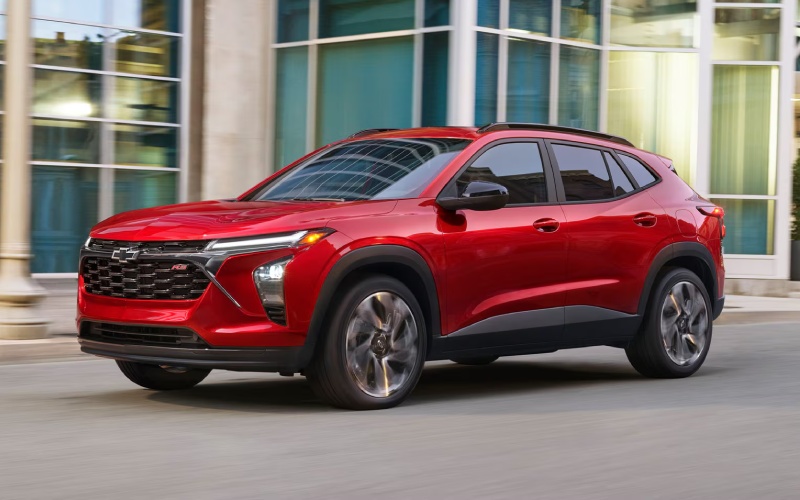
City Motor Company – Which small SUV has more useful cargo space for Fort Benton, MT drives — 2026 Chevrolet Trax or 2026 Mazda CX-30?
When you compare two stylish, feature-rich small SUVs, cargo space rarely feels like the headline—until you pack for a weekend, load sports gear, or fold the seats for a hardware store run. That is why shoppers around Fort Benton, MT often ask: which one manages space better between the 2026 Chevrolet Trax and the 2026 Mazda CX-30? On paper and in practice, the Trax takes a clear lead with up to 54 cu. ft. of max cargo capacity and a low, friendly lift-over height that streamlines loading. The CX-30’s cargo area is well finished and smartly shaped, but it is smaller—roughly mid-40s cubic feet with the seats down—so bulkier items or stacked storage bins require a more careful Tetris approach.
Space is not just about volume; it is about access and versatility. The Trax offers a wide hatch opening, a 60/40 split-folding rear seat for long or awkward cargo, and a second row that feels open for taller passengers. That matters when a Saturday keeps you bouncing between a breakfast stop in town, a fishing supply pickup, and a spontaneous detour toward a river access point. The CX-30’s cabin is refined with available Bose® audio and available Alexa Built-in, but the smaller cargo bay means you will reach the capacity ceiling sooner. For many drivers running busy Montana schedules, the Trax’s room-to-grow layout becomes an everyday advantage.
Usability you feel every day
Beyond raw measurements, the Trax builds convenience into the details: standard wireless Apple CarPlay® and Android Auto™ keep cords out of the cargo area when your phone becomes your hiking map or playlist. The available 11-inch center HD touch-screen is simple to read at a glance as you sort directions out of town. IntelliBeam® High Beam Assist is especially helpful when a late return drive runs into dark, open stretches—toggling brights automatically so you can focus on scanning the shoulders. These are small wins that add up to a less stressful day around Fort Benton’s open roads and two-lane connectors.
The CX-30 counters with standard i-Activ AWD® and available features like a windshield-projected Active Driving Display on upper trims, both valuable in their own right. Still, when cargo and cabin flexibility top your list, the Trax’s longer wheelbase and helpful packaging feel tailor-made for weekenders and busy families. That extra space turns a maybe into a yes—yes to one more cooler, one more folding chair, or the camping tote you were not sure would fit.
How to decide based on your routine
To make a confident choice, match these SUVs to an actual Saturday you might take this season: throw in the gear, account for passengers, and consider how often you will pivot between people and cargo. If most of your trips involve juggling dogs, friends, or kids—with strollers, duffels, or an ice chest—the Trax’s cargo-friendly design is the path of least resistance. If you frequently head out on unmaintained roads or prefer AWD traction by default, the CX-30’s standard system is an advantage. Both are easy to live with, but their strengths are distinct.
- Cargo volume and access: The Trax’s up to 54 cu. ft. and wide hatch make loading larger items or multiple bins simpler, while the CX-30’s smaller bay fits daily needs but fills sooner.
- Everyday flexibility: Trax 60/40 split-folding seats and a roomy second row support quick role changes—passengers one minute, gear the next—without a lot of seat gymnastics.
- In-cabin convenience: With standard wireless smartphone mirroring and an available 11-inch display, the Trax streamlines directions and music without cords invading your cargo space.
Test-drive tip: pack your normal gear
One of the smartest ways to decide is to bring what you actually carry. Fold the seats in both vehicles. Load the cooler. Stow the stroller. Drop in your rod tube, ski bag, or folding table. Watch how the rear hatch closes, note any pinch points, and see whether you can still use a side seat for a passenger with gear in place. It takes 10 minutes and reveals far more than specs on a page.
- Confirm your must-haves: Decide if passenger space or cargo capacity deserves priority for your routine.
- Match features to usage: If you want cordless convenience and big-screen clarity, the Trax’s standard wireless mirroring and available 11-inch display are compelling.
- Drive your route: Include a stretch you take to trailheads or river access so you can assess visibility, ride calm, and low-speed maneuvering.
Frequently Asked Questions:
Does the Trax have more cargo space than the CX-30?
Yes. The Trax offers up to 54 cu. ft. of max cargo space when properly configured, while the CX-30’s total cargo volume is smaller, so bulkier loads will generally be easier to manage in the Trax.
Can both SUVs handle a mix of passengers and gear?
Yes. Each model has a 60/40 split-folding rear seat. The Trax’s roomier back seat and wide hatch make it easier to seat a passenger alongside longer or taller items.
What about tech that helps on longer drives?
Trax offers standard wireless Apple CarPlay® and Android Auto™ plus an available 11-inch center HD touch-screen and IntelliBeam® High Beam Assist. CX-30 counters with available features like Alexa Built-in and a windshield-projected display on select trims.
How do I choose if I value AWD and cargo space equally?
Take both for a back-to-back drive and load your normal gear. If AWD is non-negotiable, the CX-30’s standard system is appealing. If you regularly haul larger items or multiple bins, the Trax’s added cargo capacity tends to win out in everyday use.
Ready to judge cargo space where it matters—at the hatch? Bring your gear and compare both SUVs on the same day. City Motor Company is here to help you test configurations quickly and confidently, serving Helena, Lewistown, and Fort Benton with a friendly, efficient process that respects your time.
For shoppers who prize flexible space without giving up a modern cabin and intuitive tech, the Trax builds a simple, stress-reducing advantage into every errand, school run, or weekend detour. If your days around Fort Benton include a rotating cast of cargo—coolers, packs, tools, or folding chairs—the answer to our opening question becomes clear the first time you close the hatch.
Request more 2026 Chevrolet Trax information
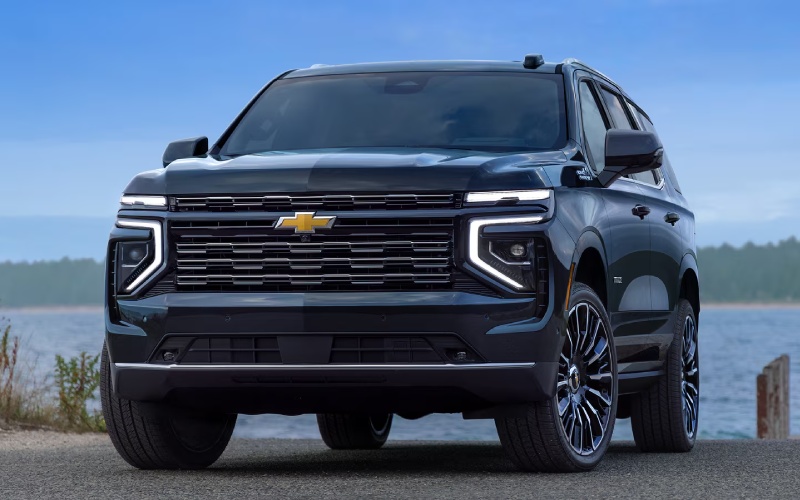
City Motor Company – Which full-size SUV offers better hands-free towing confidence around Lewistown, MT — the 2026 Chevrolet Tahoe or the 2026 Ford Expedition?
When shoppers start cross-shopping these two big SUVs, one question surfaces fast: which one gives you better hands-free driving confidence while towing on Montana’s long, lightly patrolled highways? It’s a fair question if your weekends involve I-87 stretches, wind-prone canyons, and frequent runs to reservoirs or trailheads with a boat or camper in tow. The short answer is that the Tahoe’s available Super Cruise® supports hands-free driving on compatible roads and, critically, supports hands-free towing. That capability changes how you plan and execute long trips—reducing fatigue and helping you maintain smooth lane positioning with a trailer, mile after mile. The Expedition’s available BlueCruise brings hands-free driving to divided highways, but at this time it does not support hands-free towing, which is a deciding factor for many.
There’s more to the story than a single feature. The Tahoe layers in a 17.7-inch diagonal center touch-screen with an intuitive interface, available 15-inch Head-Up Display, HD Surround Vision with up to 14 camera views, and optional Four-Corner Air Ride Adaptive Suspension for extra stability and comfort. Expedition counters with a compelling Ford Digital Experience, a 24-inch panoramic instrument panel display that looks fantastic, a 13.2-inch center screen, and helpful trailering aids like Pro Trailer Backup Assist™ and Pro Trailer Hitch Assist™. Both are credible tow partners—but if you value hands-free driving while towing, the Tahoe’s unique capability is the tiebreaker on those long hauls surrounding Lewistown.
Why hands-free towing support matters in real life
Hands-free systems demand trust, and towing raises the stakes. Tahoe’s Super Cruise® helps manage the subtle corrections that keep a trailer centered and stable, reducing the micro-adjustments that wear you down on a four-hour highway stint. Combined with the available 15-inch Head-Up Display and robust camera coverage, it can make lane changes, merges, and fuel-stop approaches less stressful. Expedition’s BlueCruise is excellent for solo driving, but without hands-free towing support, you’ll be taking on more of the load during the trips that most need a breather.
Montana also serves up variable pavement quality and frequent crosswinds. The Tahoe’s available Magnetic Ride Control and Four-Corner Air Ride Adaptive Suspension help settle body motions and keep trailers feeling planted. Expedition’s available Continuous Controlled Damping works well too, but the Tahoe’s pairing of adaptive damping and air suspension offers an extra layer of composure on chip seal and during gusty passes. If your driving includes the rolling two-lanes and high plains that define Central Montana, this combination is genuinely useful.
Trailering tools that add calm to the cockpit
Beyond hands-free capability, situational awareness is king. Tahoe’s available camera suite—up to 14 views, including hitch and surround perspectives—provides clarity when threading through tight lots or angling toward a ramp. The Expedition’s 360-degree camera system and trailer-assist tech are valuable, especially when backing into a spot, but the Tahoe’s volume of camera views can reduce second-guessing in the busy moments that bookend every trip.
Tech integration also matters. With Google built-in, plus Wireless Apple CarPlay® and Wireless Android Auto™, Tahoe makes your favorite apps easy to access, while the Expedition’s Ford Digital Experience is polished and customizable. Both can keep passengers entertained and drivers focused. If you want more data in your sightline, Tahoe’s available Head-Up Display is another advantage—projecting speed, navigation, or safety alerts so you can keep your eyes forward.
Comfort and capacity for the whole crew
Whether you’re heading for a Saturday on the water or moving kids and gear across town, seat count and cargo flexibility make everyday life easier. Tahoe can be configured for seating for up to 9, giving you more space for people or friends of your kids without shuffling vehicles. Expedition maxes at eight, which works for many families, but if you routinely fill every seat or want the option to, Tahoe’s extra spot is a differentiator.
Ride comfort adds up, too. Tahoe’s available air suspension can lower for easier loading after a Costco run and raise for rougher access roads. Expedition’s features like a power split tailgate and 360-Degree Zone Lighting are clever for camping or late-evening gear checks. Both are thoughtful; the question is which combination you’ll appreciate more during an average week.
Powertrains that match your plans
Not everyone needs the same engine. Tahoe’s lineup includes the 5.3L EcoTec3 V8, the 6.2L EcoTec3 V8, and the available Duramax® 3.0L Turbo-Diesel. The diesel’s torque and long-range cruising are tailor-made for long stretches with a trailer. Expedition answers with a robust 3.5L EcoBoost® V6, including a High-Output variant on select trims, backed by a 10-speed automatic. Both tow with confidence, but if you prize low-RPM torque and fewer fuel stops on a long day, the diesel is compelling.
Of course, drivetrains and tech are just part of a purchase decision. Ergonomics, visibility, and how easy it is to hook up, back up, and settle in for the drive all matter. That’s where an extended test route helps. Try a loop that mimics your life—fast highway sections, a few tight parking maneuvers, and some time on rougher pavement. The Tahoe’s camera coverage, HUD visibility, and hands-free towing support will show their value in minutes.
- Hands-free capability while towing: Tahoe’s Super Cruise® supports towing on compatible roads; Expedition’s BlueCruise does not.
- Camera coverage: Tahoe offers up to 14 camera views for trailering; Expedition provides a 360-degree view with helpful trailer-assist tools.
- Ride tuning: Tahoe’s available Magnetic Ride Control and Four-Corner Air Ride Adaptive Suspension deliver a steady, composed feel across variable pavement.
Frequently Asked Questions:
Does the Tahoe’s Super Cruise® work on Montana highways?
Yes. On compatible divided highways mapped for Super Cruise®, the system enables hands-free driving—and it supports hands-free towing. Always remain attentive and be ready to take control.
Can BlueCruise on the Expedition be used while towing?
No. As of now, BlueCruise does not support hands-free towing. You can still tow with driver-assistance features active, but hands-free operation is not enabled with a trailer.
Which SUV seats more people for local trips?
Tahoe can be configured for seating for up to 9, while Expedition offers up to 8. If you regularly carry a big crew, that extra seat in the Tahoe can make a difference.
What if I do as much city driving as towing?
Both SUVs are comfortable in daily use. Tahoe’s large center display, available Head-Up Display, and camera views simplify errands and parking, while Expedition’s Ford Digital Experience and trailer-assist features help with tight maneuvers.
Ready to compare them side by side on roads you know? City Motor Company is your nearby Chevrolet resource, serving Helena, Lewistown, and Fort Benton with routes and demos that mirror real-life Montana driving. Bring your questions—and your trailer plans.
Request more 2026 Chevrolet Tahoe information
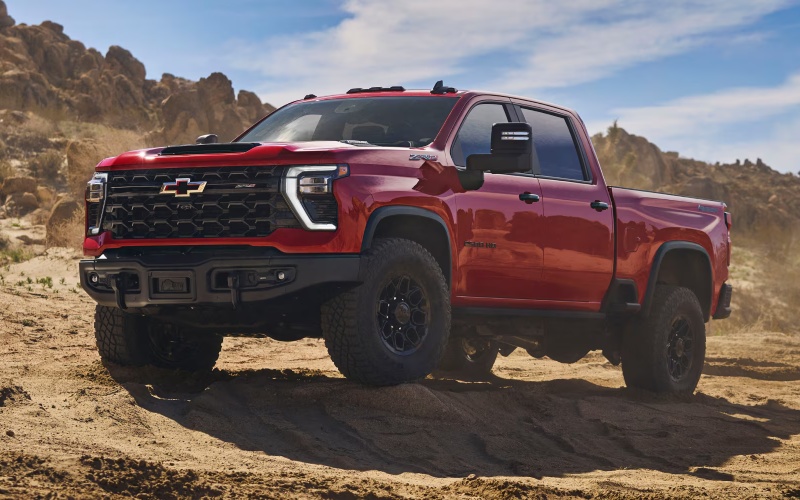
City Motor Company – Which heavy-duty truck tows with more confidence near Lewistown, MT — the 2026 Chevrolet Silverado 2500 HD or the 2026 Ford Super Duty F-250?
When Montana truck owners compare two big names — the 2026 Chevrolet Silverado 2500 HD and the 2026 Ford Super Duty F-250 — a top question naturally rises to the surface: Which one inspires more confidence while towing around Lewistown, MT and on the highways and byways that connect our communities? Confidence is not just peak numbers. It is how a truck behaves when a gusty crosswind hits near Judith Gap, how easily you can see around a tall fifth-wheel, and how smoothly you can line up a hitch on uneven ground.
Both trucks can haul with authority. The Silverado HD pairs its proven 10-speed automatic with a 6.6L gas V8 or an available Duramax 6.6L Turbo-Diesel V8, while Ford’s Super Duty lineup offers multiple gas and diesel options in the F-250. But real-world confidence depends heavily on visibility, guidance, and integration of trailering features — areas where Chevrolet’s approach is notably cohesive.
Camera technology that changes the experience
Up to 14 available camera views on the Silverado HD offer a near 360-degree understanding of your setup. The standout is Transparent Trailer View, which virtually lets you see through a compatible trailer, even when using certain fifth-wheel or gooseneck hitches. That one capability reduces anxiety during lane changes and merges, especially when a trailer’s height would otherwise block your mirror sightlines. Ford provides valuable camera tech and guidance tools of its own, including a 360-degree camera system, but it does not deliver the see-through trailer advantage that Chevy owners rely on when traffic gets busy or visibility tightens near town.
For those who regularly tow into campgrounds, boat launches, or job sites with minimal turnaround space, Silverado HD’s Hitch View and Bed View further simplify alignment tasks. Add in available HD Surround Vision at low speeds, and you get precise, low-stress positioning — a welcome upgrade when the ground is rutted or you are setting a trailer after dusk.
Trailering tools that feel built in — because they are
Chevy’s In-Vehicle Trailering App is a central hub for towing, helping you create custom trailer profiles, work through pre-departure checklists, and monitor select trailer diagnostics on the go. It is more than a widget — it is a workflow upgrade. Ford’s Super Duty offers helpful towing technology, from Pro Trailer Backup Assist to Onboard Scales with Smart Hitch, but Chevrolet’s app-based approach makes trailering guidance second nature and keeps your to-do list at your fingertips, not scattered between systems.
Bed access and gear management matter
Moving tongue jacks, toolboxes, and wheel chocks is easier when the truck works with you. Silverado HD’s Durabed provides class-leading cargo volume with robust, standard tie-downs. Integrated BedSteps ahead of the rear wheels and the CornerStep rear bumper make routine climbs into the bed safer, even with a gooseneck attached. The available Multi-Flex Tailgate is a bonus, giving you a full-width step, a laptop-friendly work surface, and a clever inner-gate load stop. Ford’s Super Duty offers a power tailgate with a retractable step — a helpful feature — but the Silverado’s combination of access points and multi-function design creates a smoother, more efficient workflow when you are staging equipment at the edge of town or repacking after a long weekend.
Stability you can feel
Big torque is only part of the story. How a truck manages weight transfer over rolling terrain and through crosswinds determines whether you end each tow run energized or worn out. Silverado HD’s available Duramax 6.6L Turbo-Diesel V8 and 10-speed automatic deliver steady, predictable pull with reassuring engine braking. Pair that with Trailer Side Blind Zone Alert and the tactile Safety Alert Seat, and the truck communicates clearly when situations change. Ford’s Super Duty F-250 is sorted and strong, but Chevrolet’s visibility, alerts, and camera-based guidance tend to keep stress lower and attention focused on the road ahead rather than in your mirrors.
Common towing questions, answered
To help you sort through the details, here are a few quick-hit answers based on what we hear most from shoppers comparing these two HDs.
- Which has the more comprehensive camera suite for towing: Silverado HD offers up to 14 camera views, including Transparent Trailer View, which the F-250 does not match.
- Which truck provides an integrated hub for trailer profiles and checklists: Silverado HD’s In-Vehicle Trailering App is built into the infotainment system to simplify setup and monitoring.
- Which tailgate setup supports more use cases without add-ons: Silverado HD’s available Multi-Flex Tailgate delivers six distinct functions, including a full-width step and work surface.
Frequently Asked Questions:
Can Transparent Trailer View work with a fifth-wheel or gooseneck?
Yes. On the 2026 Silverado HD, Transparent Trailer View can function with certain fifth-wheel and gooseneck setups when properly configured, helping you virtually see through a compatible trailer to monitor traffic behind.
Is the In-Vehicle Trailering App standard on every Silverado 2500 HD?
The app is available on select trims and integrates directly with the truck’s infotainment system, allowing you to create trailer profiles, run checklists, and view certain diagnostics. Even when it is optional, many shoppers consider it essential for regular towing.
Does the Ford F-250 offer a similar see-through trailer feature?
Ford’s Super Duty F-250 offers strong trailering tech — including helpful guidance and camera views — but it does not provide a Transparent Trailer View that virtually lets you see through a compatible trailer the way Chevrolet does.
The bottom line for Lewistown, MT
If you spend a lot of time towing to ranch properties, lake launches, or construction sites near Lewistown, the Silverado HD’s visibility advantages and integrated trailering workflow are tough to beat. Numbers matter, but how easily you can line up, monitor, and adapt to changing conditions matters more — and here, Chevy’s technology makes a daily difference.
When you are ready to compare the 2026 Chevrolet Silverado 2500 HD and 2026 Ford Super Duty F-250 side by side, City Motor Company is happy to walk you through camera views, trailering tools, and real-world setups that match how and where you tow. We are proudly serving Helena, Lewistown, and Fort Benton, and we would be glad to help you zero in on the configuration that fits your life.
Request more 2026 Chevrolet Silverado 2500 HD information
Connect with us


